archaive
What role can heritage play in examining the impact AI has on society, culture and the arts? Through creative reuse of archival material, we can deconstruct and reconfigure the ways we think about, create, and apply AI systems. archaive brings together five European media art and heritage institutions, to address this urgent need for critical and artistic engagement with AI.


What role can heritage play in examining the impact AI has on society, culture and the arts? Through creative reuse of archival material, we can deconstruct and reconfigure the ways we think about, create, and apply AI systems. archaive brings together five European media art and heritage institutions, to address this urgent need for critical and artistic engagement with AI.
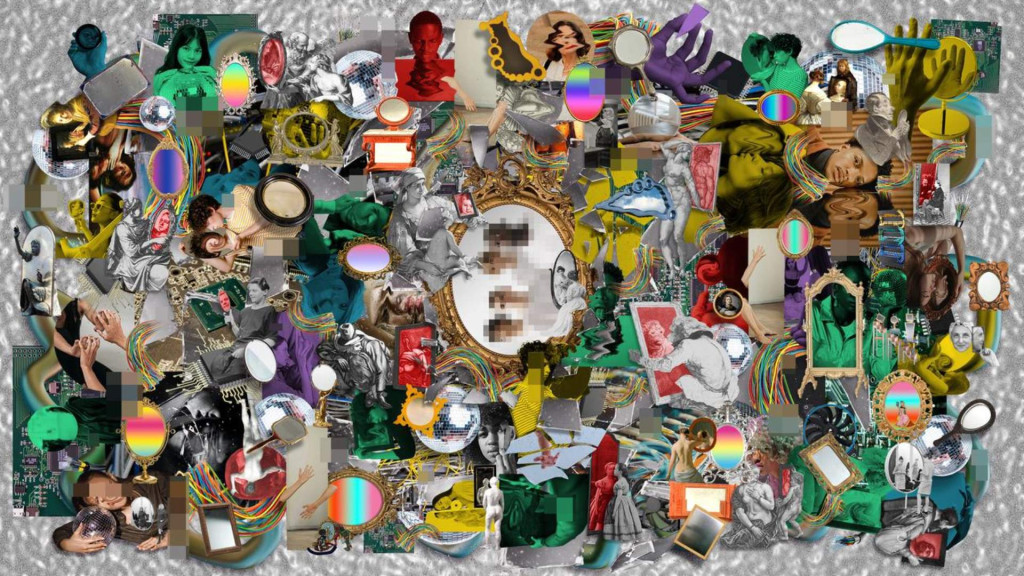
Anne Fehres and Luke Conroy & AI4Media / https://betterimagesofai.org / https://creativecommons.org/licenses/by/4.0/
Most discourse around AI is shaped by a handful of Big Tech CEOs and governments running behind on legal regulation. The voices of cultural workers, artists, and archive professionals are not usually taking centre stage. archAIve wants to address this gap - in artist residencies and public programs, participants are encouraged to creatively reuse archival material in order to critically examine AI systems.
Why archives?
Why make use of archival material for this? Europe’s vast and diverse media (art) heritage offers a particularly relevant lens for research of current technological, political and societal developments around AI systems. If every archived object shapes future algorithmic outputs, then what we choose to document - or omit - has long-term implications. This challenges us to rethink how we describe, preserve, and structure information, and to explore how our curatorial choices may train or constrain future technologies.
In this sense, archives can be viewed not as static repositories but dynamic cultural devices that shape our understanding of the past, present and future. Moreover, media art specifically often resists traditional preservation and “datafication” due to the ephemeral nature of the works. This challenges archival practices but also presents a powerful counterpoint to AI’s appetite for structured, clean and complete data.
Role Sound & Vision
archaive brings together five leading European media and art institutions: MEET, Sound & Vision, New Art Foundation, Museu Zer0, and Public Art Lab. As lead of work package 4, NISV will set up a learning community through workshops, public dialogues, and resource creation.
This will support the four main goals of the project:
- Equip artists with critical digital literacy skills by challenging them to examine AI through archival, historical and cultural dimensions;
- Breathe new life into historical media (art) collections, given them a key role in facilitating societal dialogue around GenAI;
- Explore how emerging technologies such as GenAI impact heritage documentation and preservation practices;
- Engage citizens in critical dialogue around GenAI through new artistic creations.
The goals align with Sound & Vision’s mission of fostering digital literacy and ensuring that everyone can participate in media.
Want to know more?
Contact our colleagues listed at the top of this page.
No contacts visible above?